
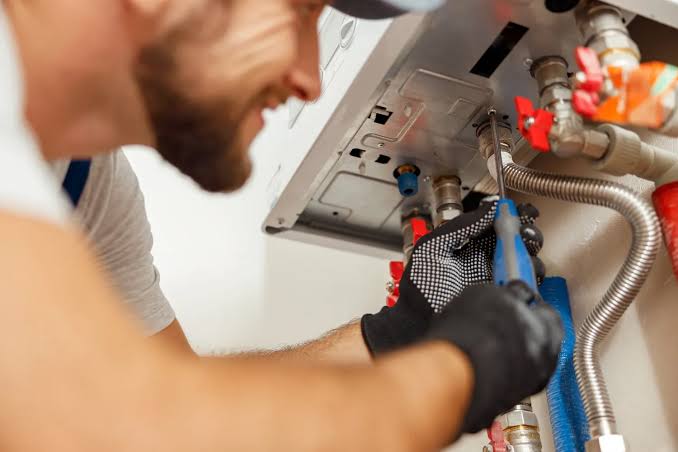
Water heater repair in Lancaster, PA covers every failure mode a storage tank or tankless unit develops, from a pilot that will not stay lit to a heating element buried in hard-water scale. Lancaster Water Heater Pros is a locally owned team, on call around the clock with same-day scheduling that may be available in Lancaster, that diagnoses the failed component, quotes the repair before work starts, and restores hot water the same visit whenever a serviceable part is the cause.
What Water Heater Repair Involves
Water heater repair means identifying which component failed and replacing or resetting that component, rather than replacing the whole unit. A technician confirms the symptom, checks the fuel or power supply feeding the unit, tests the parts that sit in the path of that symptom, and isolates the one that stopped working. On a gas unit that path runs through the pilot assembly, thermocouple, gas valve and venting. On an electric unit it runs through the heating elements, thermostats and the circuit supplying them. A tankless unit adds its own ignition, flow sensing and heat exchanger to the same process.
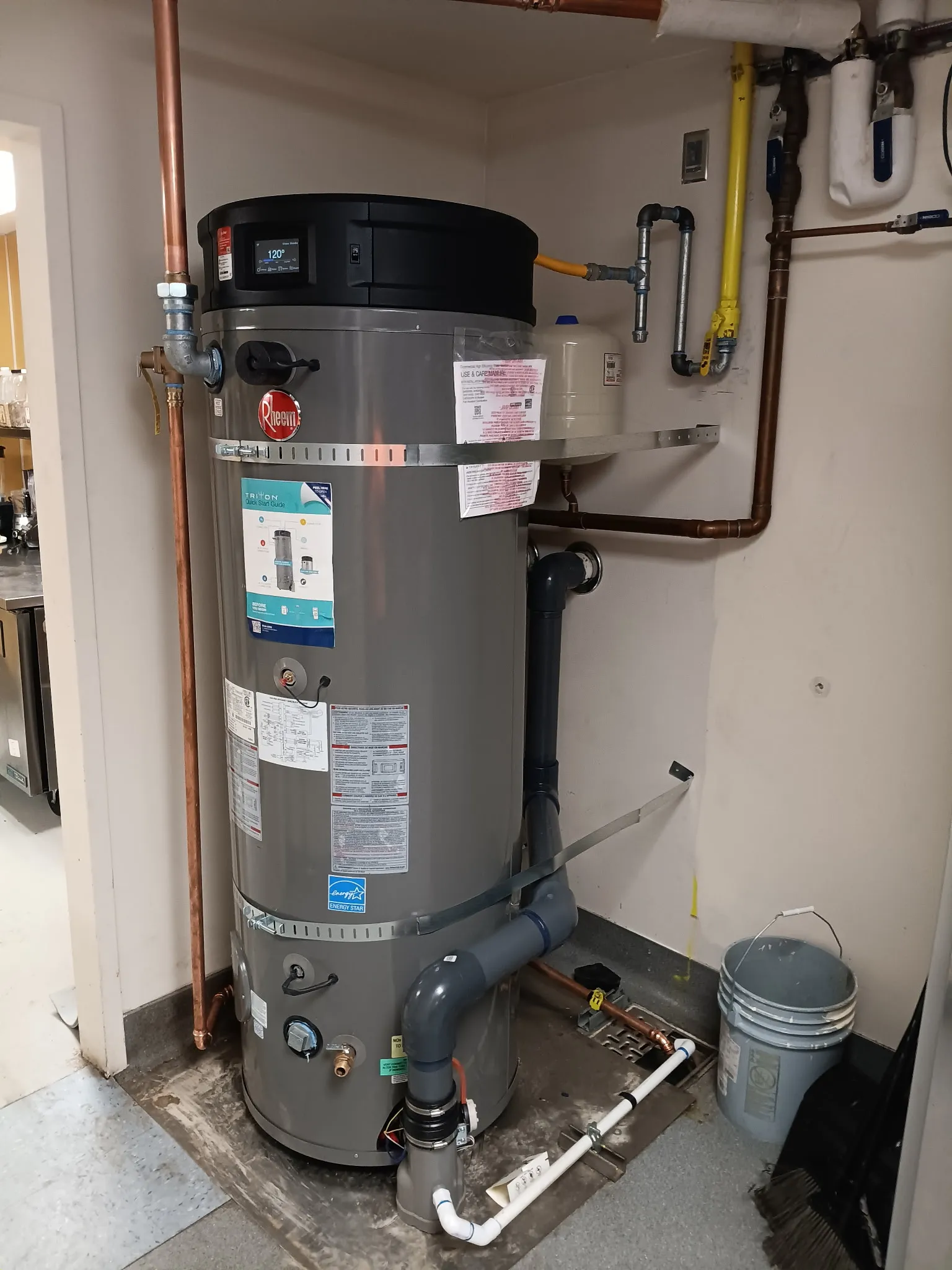
A repair visit ends one of two ways. Either the failed part is serviceable, gets replaced, and the unit returns to normal operation — or the steel tank itself has corroded through, in which case no component replacement restores it and the decision moves to replacement instead. Which of the two applies is determined at the unit, and the price is explained before any work begins.
Common Water Heater Problems In Lancaster
Sediment buildup is a water heater problem technicians diagnose across Lancaster County. Where a supply carries a heavy mineral load, calcium and magnesium carbonate can settle as sediment on the tank floor and harden as scale on heating elements. Sediment insulates the burner from the water above it, which lengthens recovery time, drives up the gas or electric load, and produces the rumbling or popping noise a scaled tank makes during a heating cycle. The mechanism behind that sound is covered in why a water heater pops and rumbles, and the symptom-by-symptom breakdown when there is no hot water at all is in water heater not producing hot water. Water hardness varies by utility service area and by individual well, so a water test establishes it for a specific property.
Water Heater Components That Commonly Fail
A water heater fails at a small set of serviceable components. Each component below produces a distinct symptom, and each guides the repair:
- Thermocouple and thermopile — sense the pilot flame on a gas unit; a failed thermocouple drops the pilot and stops the burner.
- Heating element (upper and lower) — heat the water on an electric unit; a shorted element leaves lukewarm or no hot water.
- Thermostat (upper and lower) — set element temperature; a failed thermostat overheats or underheats the tank.
- Anode rod (sacrificial magnesium anode) — corrodes in place of the steel tank; a spent anode rod exposes the tank to rust.
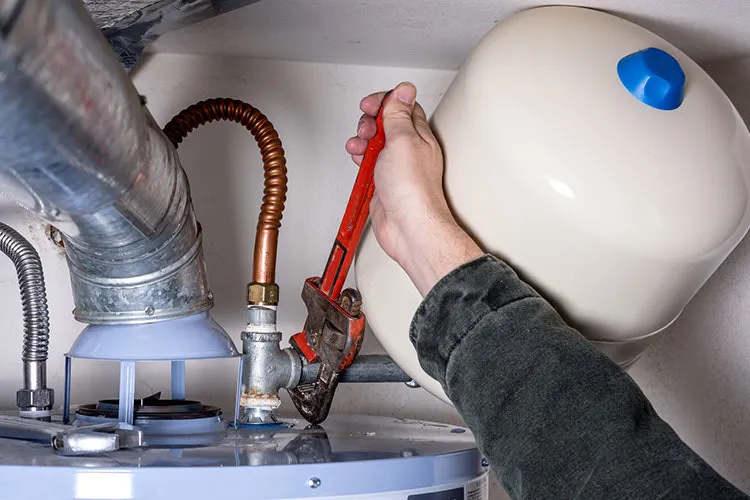
- T&P (temperature and pressure relief) valve — vents excess pressure; a dripping T&P valve signals overpressure or valve wear.
- Gas valve, dip tube and pilot assembly — control gas flow, cold-water delivery and ignition on gas storage tanks.
Diagnosing a fault today? Call (717) 500-8528 to schedule water heater repair in Lancaster.
Schedule Service NowCommon Causes Of A Leaking Water Heater
A water heater leaks from four sources: the drain valve, the T&P valve, the inlet and outlet connections, or the tank shell. A dripping drain valve reseals or replaces at low cost. A discharging T&P valve points to excess pressure, and a pressure reducing valve or expansion tank corrects the underlying cause. Loose inlet or outlet fittings tighten and reseal. A weeping tank shell is different: a corroded shell means the sacrificial magnesium anode is spent and the steel tank has rusted through, and a rusted shell requires replacement rather than repair.
Average Water Heater Repair Cost In Lancaster, PA
Repair cost depends on the failed component, the labor time to access it, and whether the part is stocked or ordered. A thermocouple, thermostat or single heating element is a quick, low-cost fix. A gas valve, a full element-and-thermostat pair, or a sediment flush combined with an anode rod replacement takes longer and costs more. See the FAQ below for a published national planning range. The table below defines the common repairs and the symptom that signals each one.
| Repair | Symptom | Component |
|---|---|---|
| Thermocouple replacement | Pilot will not stay lit | Thermocouple |
| Heating element replacement | Lukewarm or no hot water | Upper or lower element |
| Thermostat replacement | Water too hot or too cold | Upper or lower thermostat |
| Sediment flush | Rumbling, slow recovery | Tank floor sediment |
| Anode rod replacement | Rotten-egg odor, early rust | Sacrificial magnesium anode |
| T&P valve replacement | Dripping relief line | T&P relief valve |
Water Heater Repair Vs. Replacement
A water heater repair is worth it when the tank is under 10 years old and the failure is a serviceable part. A tank water heater is generally built to last 10 to 15 years, and a unit inside that window with a bad thermostat, element or thermocouple returns to service for a fraction of a replacement. The math changes past the lifespan window. Scale can shorten that math further where a supply carries a heavy mineral load, so a scaled tank near the end of its expected life with a leaking shell warrants replacement rather than another repair.
Repair or replace rule of thumb: A serviceable-part failure under 8 years favors repair. A leaking shell, or a repair cost approaching half the price of a new unit past year 12, favors water heater installation in Lancaster, PA.
How Long Water Heaters Generally Last
A tank water heater is generally built to last 10 to 15 years. Where a supply carries a heavy mineral load, calcium and magnesium carbonate scale can accelerate element wear and anode consumption, shortening that expected life considerably. A tankless water heater lasts 20+ years, and descaling on a hard-water schedule protects that longer service life.
Anode Rod Replacement Schedule
An anode rod's replacement interval is governed by the manufacturer's instructions, and a heavier mineral load consumes the rod faster than average, so the schedule is adjusted based on a water test. The sacrificial magnesium anode corrodes in place of the steel tank, and a heavier mineral load consumes it faster. Replacing a spent anode rod on schedule is one of the repairs that most extends tank life, and it is part of a standard water heater maintenance visit.
Sediment Flush Schedule For Lancaster Tanks
A storage tank on a mineral-heavy supply generally needs a sediment flush more often than the manufacturer's standard-water interval. Where a property’s water carries a heavy mineral load, more frequent flushing clears the calcium and magnesium carbonate that insulates the burner and shortens element life — follow the manufacturer’s recommended interval and adjust based on a water test. Flushes are booked as a scheduled visit through water heater maintenance and flushing in Lancaster, PA.
Burst Tank Or No Hot Water Right Now?
We are available 24/7 for all emergency water heater repairs — same-day scheduling may be available in Lancaster. See what counts as an emergency and how to shut the unit down safely.
Who To Call For Water Heater Repair In Lancaster
Call a contractor that works on water heaters specifically, rather than plumbing in general. Lancaster Water Heater Pros diagnoses gas, electric and tankless water heaters across Lancaster City and Lancaster County, quotes the repair before work begins, and carries the common wear parts — thermocouples, elements, thermostats, anode rods and T&P valves — to finish most repairs on the first visit.
How Our Water Heater Repair Visit Works
The repair follows four steps, and each step defines the next:
Diagnose the fault
A technician tests the thermostat, element, thermocouple, gas valve and T&P valve to isolate the failed component.
Quote the repair
The quote lists the part and labor before any work starts, so the cost is set in advance.
Replace the part
Stocked wear parts — elements, thermostats, thermocouples, anode rods — finish most repairs the same visit.
Test and flush
The technician confirms recovery temperature and flushes sediment where scale has loaded the tank.
Permit Requirements For Water Heater Repair
Permit and inspection requirements vary by municipality and by project scope; confirm the current requirements with the authority having jurisdiction before work begins. Swapping a thermostat, element, thermocouple or anode rod is service work. Replacing the unit itself is a plumbing installation, and where a permit applies, details on that permit sit on the water heater installation in Lancaster, PA page.
Water Heater Disposal Cost In Lancaster, PA
Water heater disposal in Lancaster, PA is handled as part of a replacement, not a standalone repair charge. When a repair confirms a tank is past saving, haul-away and recycling of the old steel tank fold into the replacement scope so no separate disposal trip is needed.
How Mineral-Bearing Water Can Damage A Water Heater
Mineral-bearing water accelerates water heater damage by baking dissolved calcium and magnesium into solid limescale. Every heating cycle crystallizes more mineral onto the tank floor, the heating elements and the burner, and that scale layer drives the failures below.
Higher Energy Bills From Scale Buildup
Limescale insulates the water heater from its own heat source. A crust of scale on the bottom of a gas tank, or a coating around electric elements, blocks heat transfer and forces the unit to run longer — a scaled heater has to run longer to deliver the same hot water, which shows up as higher energy use.
Premature Component Failure
Scale attacks each water heater type at a different point. The three failure paths below trace directly to scale buildup where a supply carries a heavy mineral load:
- Electric heaters — scale encases the lower resistance element, which can no longer shed heat into the water and burns out early.
- Gas heaters — sediment settles above the burner and traps heat against the steel tank floor, which overheats, weakens and eventually cracks or leaks.
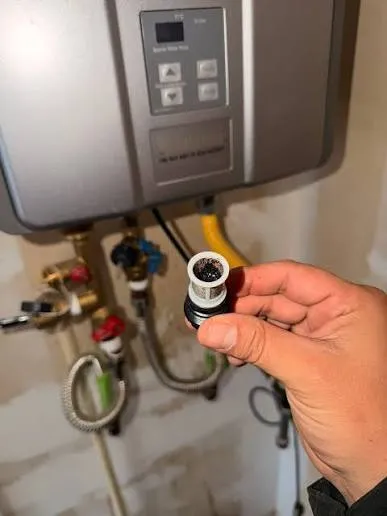
- Tankless heaters — the narrow heat exchanger passages plug with scale, trigger error codes, shut the unit down and can void the manufacturer warranty. See tankless water heater repair in Lancaster, PA.
Popping And Rumbling Noises
The popping sound a scaled tank makes comes from water trapped under the scale. As the mineral crust thickens on the tank floor, water gets caught beneath it; when the burner fires, that trapped water flashes to steam and bursts through the sediment, producing the rumbling, snapping and popping heard during a heating cycle.
A Shorter Water Heater Lifespan
Scale can cut a water heater's service life short. A tank that should reach 10 to 15 years can lose a significant share of that where the supply carries a heavy mineral load, forcing replacement earlier than it would on a low-mineral supply.
How To Protect Your Water Heater
Three habits hold hard-water damage back. Each one keeps minerals from settling long enough to harden:
- Flush the tank on the manufacturer’s recommended schedule — more often than a generic once-a-year guideline where a water test shows the supply carries a heavy mineral load.
- Descale a tankless unit on the manufacturer's recommended schedule — a food-grade descaling solution keeps the heat exchanger passages clear.
- Install a water softener — an ion-exchange softener drops hardness to 0 to 1 GPG and stops minerals before they ever reach the heater.
Water heater repair in Lancaster, PA comes down to matching the fix to the failure: a serviceable part on a tank inside its 10–15 year window returns to hot water the same visit, and a corroded shell moves to replacement. Lancaster Water Heater Pros makes that call on site and quotes it before the work starts.
 RheemProTerra, Performance Platinum
 A.O. SmithVoltex, Signature Premier
 Bradford WhiteDefender, Vitraglas
 RinnaiRU series, RL series
 NavienNPE-A2, NaviLink